
Male or Female?
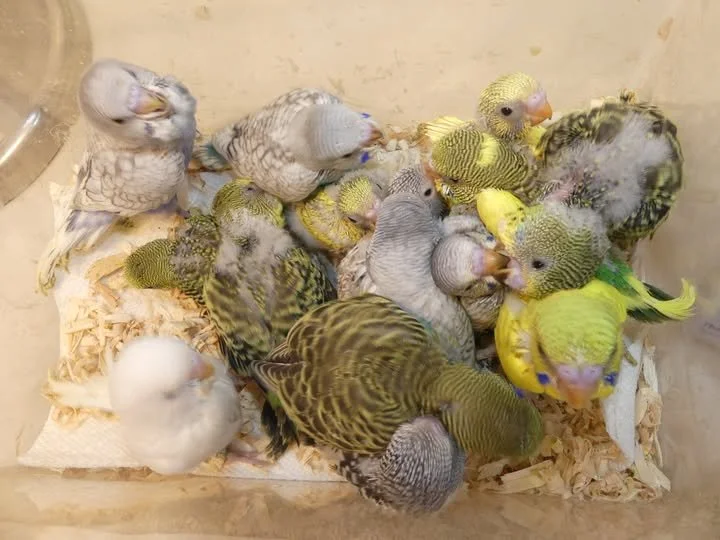
A note addressing gender issues. With budgies, lovebirds and many other small birds I can tell gender with 80-95% accuracy, and with larger birds I do DNA testing to determine gender.
Unfortunately, about 95% or more of baby requests are for boys, most people citing friendliness, talking ability, appearance and egg binding for their gender request. A plethora of viral youtube videos has furthered this idea as well.
I am here to say that, barring appearance differences in such birds as ringnecks, there is no difference between the genders as far as tameness, friendliness, cuddles and in most cases appearances go. I have both male and female birds, two conures, a quaker, a jenday and a cockatoo, that are bonded to me and that I spend most of the day with, and their differences in personality and behavior is in no way tied to their gender.
One main reason for the idea of friendlier males comes from parrot breeders of old. Back when bird knowledge was nowhere where it is now, mortality among female parrots was high. They lived outdoor for the most part, were bred heavily and fed an inadequate diet. This meant that many breeders wanted to keep as many females as possible to return to their breeding programs to replace the “acceptable seasonal losses”. There is no such thing as acceptable losses in this aviary here, and as a result all my females are available for new homes. My breeding pairs do not get worn out, the females do not die, after a few seasons they get to retire, while they are still young.
It all comes down to the amount and quality of time that you spend with your feathered friends, and that also applies for talking ability.
The only concern is egg binding, but I have hundreds of eggs being laid here every year and have never once had a case of egg binding. As long as a proper diet is given, with a mineral block and cuttlebone as supplements, this will not be a problem. Also, if no male or nest box is present egg laying is rare, and is easily preventable in any case.
Yes, females do have the behavior trait of wanting to, and in some cases, laying eggs spontaneously. No risk as long as a healthy diet is given, including chop of course. And males do have the unwanted behavior of humping anything in sight during season, including hands, heads, ears, perches, toys, anything and everything pretty much. They also can leave little piles of regurgitated food everywhere!
In both genders hormonal mating behavior can be reduced by lessening the hours of bright light the birds are given, not touching them anywhere but on the head or feet, not feeding pellets and not providing a nesting area.