
In this post and album, my thoughts and requirement on proper cages for birds, with the photos in the album going from best to the very worst with write ups on each in the photo description. Know what to look for and what to avoid!
Please share this post with anyone or anywhere where it can do some good. It is a long read, but comes from many years of experience working with birds. I have had thousands of cages go through my hands, many to end up on the scrap heap, and have heard accounts of many more.
Bird cage requirements is such a big issue with new bird owners that in the past few years I have actually had to enact a policy where I require photo proof of an adequate cage from a new bird owner before rehomings or adoptions. A cage has to be large enough to keep a bird happy and healthy, safe and secure and stress free.
A good cage should be strong, sturdy, look good, be easy to service and clean, be safe for the birds and of course be of a good size. A properly size cage will keep birds healthy and happy, give them enough room to exercise and have proper cage fittings and toys inside.
For all birds I recommend a cage at least 30 inches across the front, the width, and at least 18 to 20 inches deep, front to back. Height is not as important as most birds will only use the top 30% of a cage, with only birds like cockatiels or african greys doing a lot of bottom foraging. Smaller cages at 24 inches across the front could be used sometimes for budgies and parrotlets, if they do get lots of out of cage time. But for larger birds, or those who might not get out every single day, even these are too small for health and safety. A small cage will make for an overweight and weak bird, and can cause many stress related problems.
A metal frame cage is also a good idea, as they are much stiffer, stronger, and will last much longer and look better doing so. As well a metal bottom tray is a better, albeit more costly, choice. The latches on the door are also an important consideration, they should be secure and easy to use, one similar to a home window toggle latch is so much easier to use than one that is a thin metal bar, which is still better than one that relies on friction or gravity alone to keep the door closed.
A cage on wheels, on its own stand, is also preferable. This makes the cage easy to move for cleaning behind it, moving it to another room without an empty tabletop, or even outside for some fresh air.
The pictures in this album will go through all the cages I currently use or recommend, as well as those to avoid and those that are downright dangerous to use, from, the best to the very worst! I know that cost is a factor for many people, and there are a couple of very affordable cages in my good section that I can recommend, and a link to one is provided at the end. Usually you get what you pay for, and a cheap cage is a pain to use, service and clean on a day to day basis.
This has become such a huge issue lately that I have been turning away many people simply because they are unable or unwilling to secure proper caging for a new bird. Many times in the past, before my new policy of photo proof, I have actually sent people here picking up a bird home without their new pet when they showed up with what I first thought was a small travel cage, only to learn through conversation that the little wire box was to be a permanent home. Even being assured that someone will get another bigger cage in a few days or weeks is not enough to stop the rehoming or adoption.
Good stores for cages.....
Just For Birds in Langley, BC
West Coast Tropical Bird Studio in Vancouver, BC
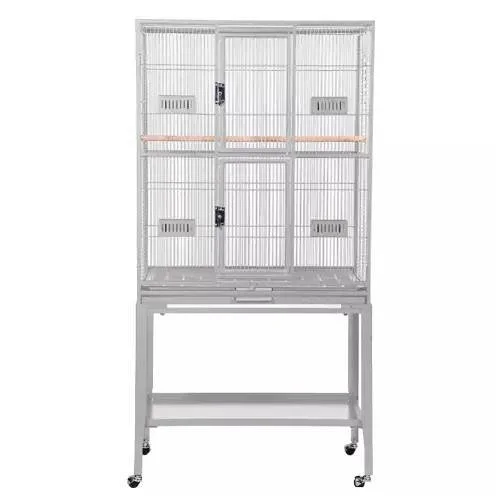
This is my all time favorite GOOD cage to use, 32 inches wide and 21 deep, and I got mine from West Coast Tropical Bird Studio in Vancouver. Sturdy frame on panel design, deep metal bottom tray, good latches on double doors making access easy. High quality paint, good hinges and wheels, should last a lifetime. The major downside? They are EXPENSIVE! When I first started breeding on a larger scale, I purchased about 6 of these cages for $300-$350 each, and picked up a few more when they were in the $400 range. They are now going for $800! On the up side, all my cages still look great after years of continuous use, and still work great. If money is not an issue, these are great practical cages. These cages are the ones I use mainly for boarding
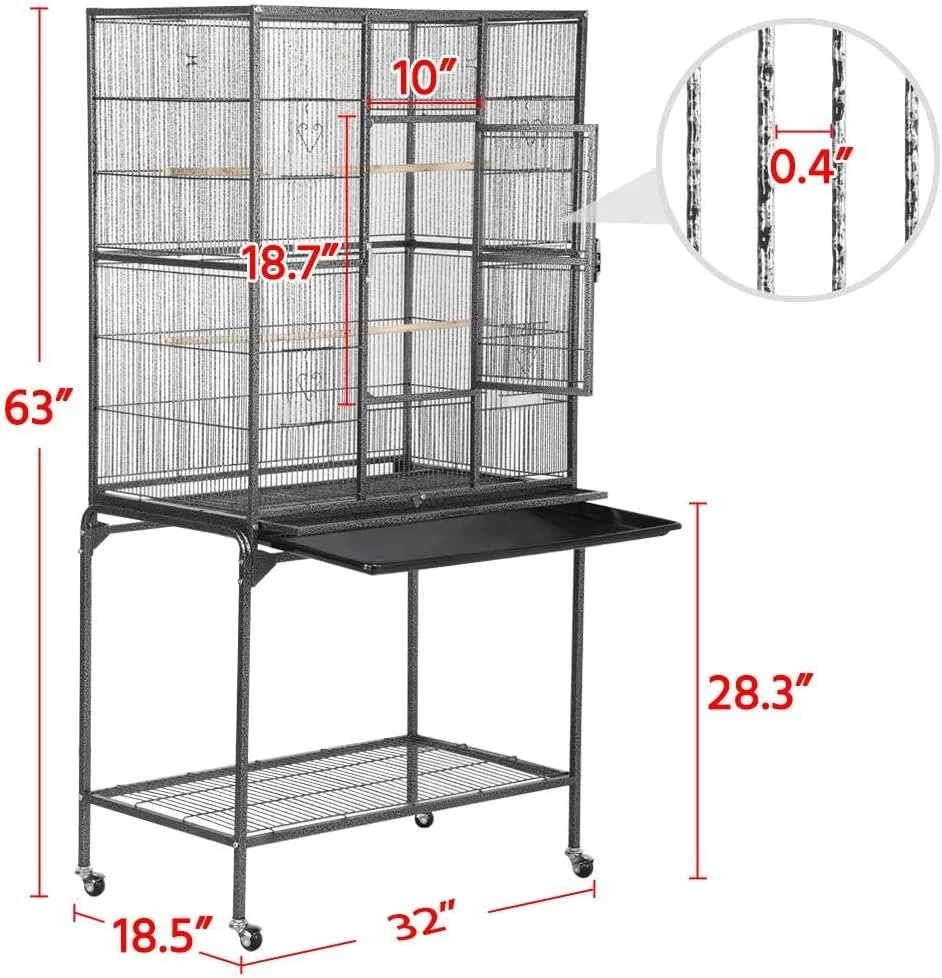
This cage is my current recommendation to anyone starting out or looking for an affordable upgrade. They are 32 wide and 18 deep. and can be found on Amazon.ca, I will include a link below. Frame in panel design, they are relatively sturdy and I have a couple dozen here in continuous use. Good latch on the door, decent wheels and easy to put together. The bottom tray is plastic, and might have to be replaced in a decade but replacements can be found. Another plus is that the base can be cut down, and another cage can be fitted on top, making it a double, by drilling and inserting metal dowels or rods to align the two cages and keep them securely together
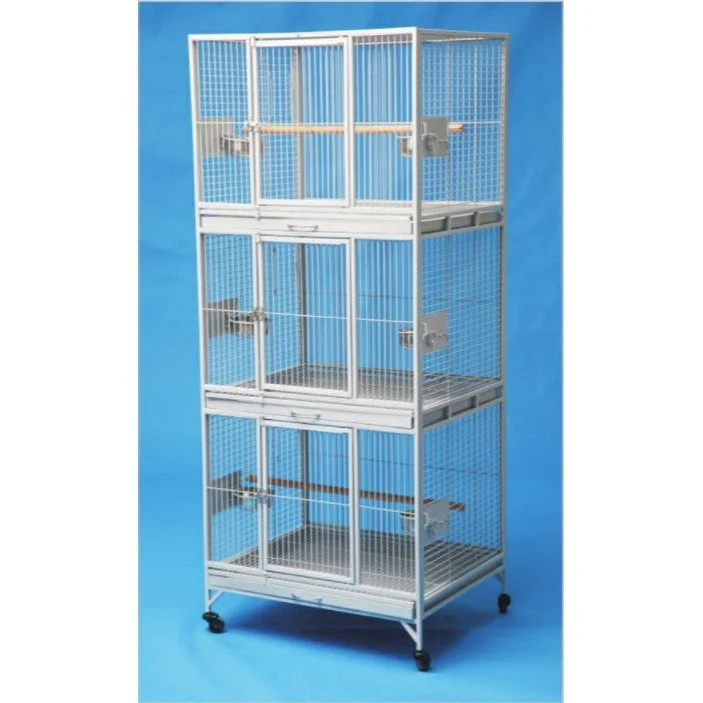
This is my favorite breeder style cage where space is an issue. Massive metal construction, each cage is a healthy 30 inches by 24 inches deep, the largest cage so far in this list. Metal doors for food and water that swing out make servicing the cage easy and safe when the parent pairs inside are in breeding mode and aggressive. Deep metal bottom trays last forever, and big full size doors with strong metal latches are very convenient. The metal bars are strong enough to take the heaviest stone perches, and it they come in a variety of colors. Of course, whenever stacking cages, individual cage lighting is a must as the middle and bottom cages would be too dark without it. They are pricey though! I have about 20 of these cages, purchased when they were sold for $499 to $599. They now go for $799 *edit* $999 -edit again- $1200 and can be hard to find at that price.
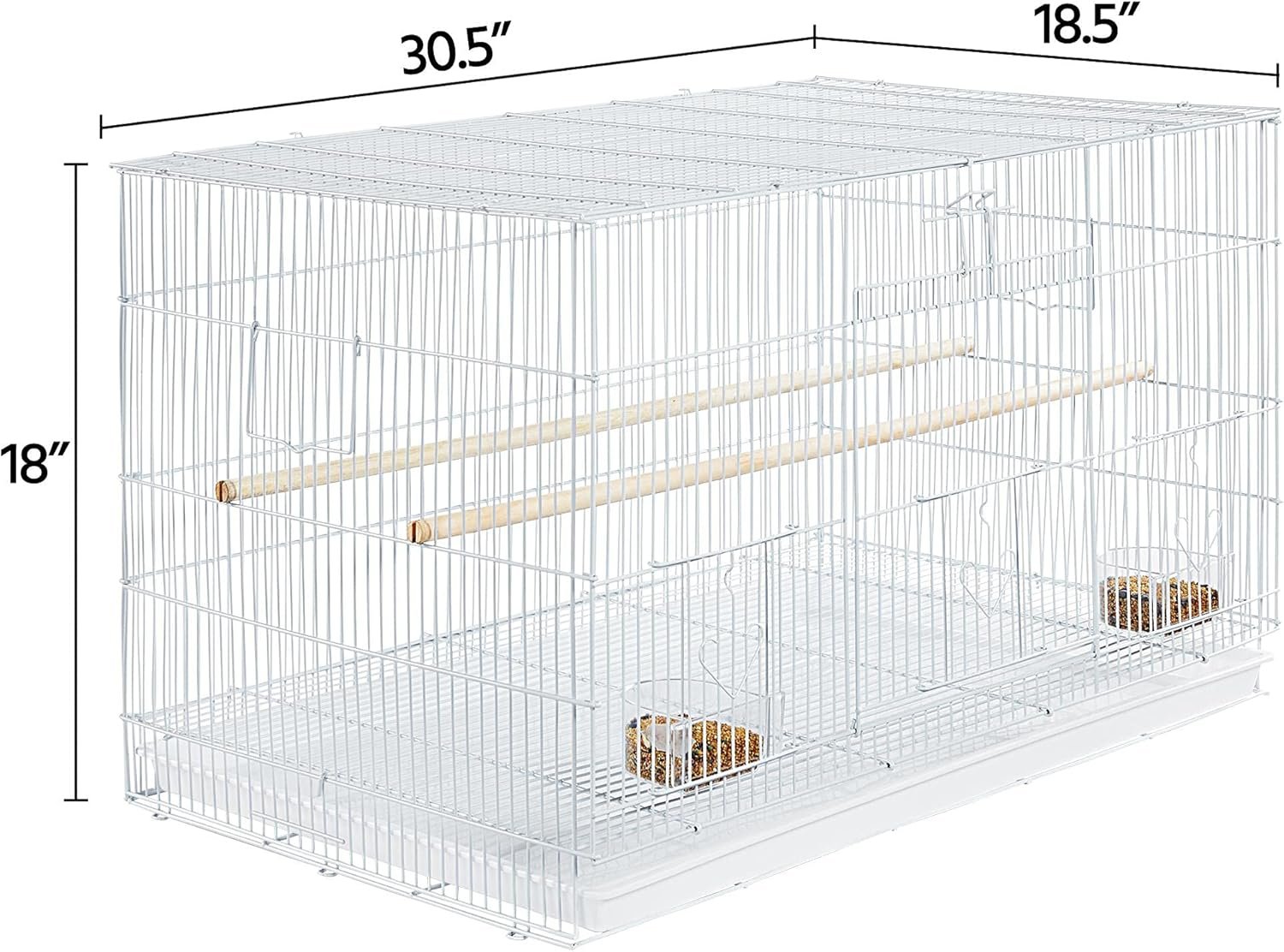
My recommendation for budgies and parrotlets, even lovebirds and linnies if they can get lots of out of cage time. At 30 inches across and 18 deep they are of a good size, as height is not as important as width. They are a tabletop cage, and with individual cage lighting they can come in a 3 stack with their own wheeled stand. They are inexpensive, under $100, and can sometimes be found for 70-80$. Plastic bottom tray is easy to clean. A few drawbacks though as this is a wire cage and not a frame cage. They need to be zip tied together to keep them stable, and the guillotine doors do need to be zip tied or clipped closed to prevent birds escaping or becoming trapped in a partially opened door. That being said, I have over 100 of these cages here in daily use, they are easy to service and clean when used properly, and are cheap enough to replace if something goes wrong. A good place to start, or use as a second home, sleeper home or travel cage.
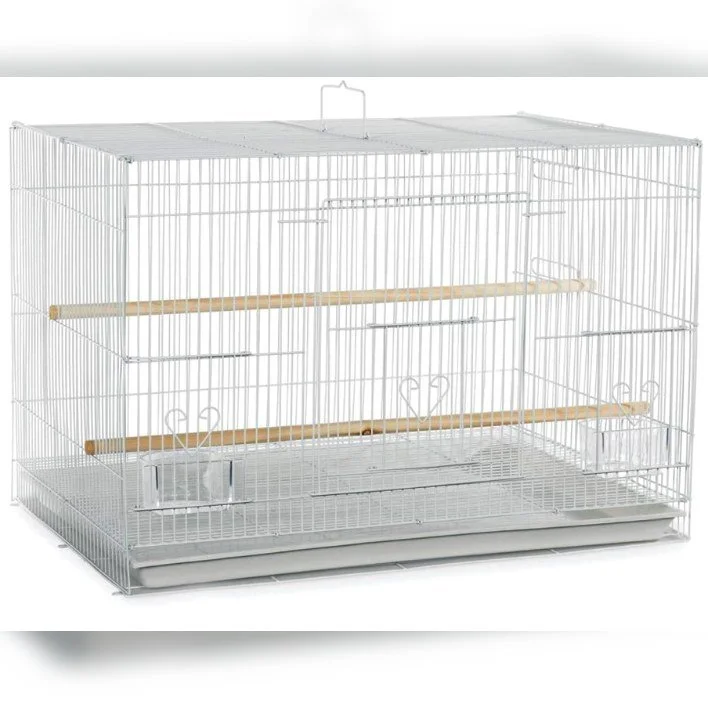
Same cage as before, only 24 inches wide while still being 18 deep. This is a good temporary cage as it can come in a 4 stack, saving space. It could be used for budgies or parrotlets, just as long as they get lots of out of cage time daily, but a 30 wide cage would be a much better choice. I have had up to 200 of these cages set up here and in use at a time, mainly for incoming rescues especially just after covid. They also make good breeding cages, when parent pairs have only one thing on their mind and feel more secure laying and raising young in a smaller cage. They are just strong enough to hang a nest box on, after a liberal application of zip ties to stiffen the cage up
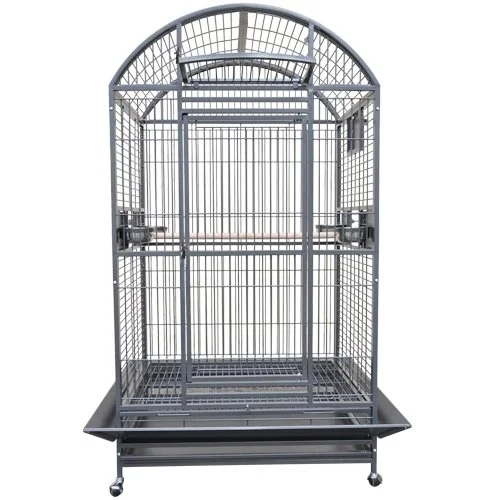
This is more of a style of cage than a specific one, and are great for larger birds when space and price are not issues. I have had several of these is use here, and they are great for conures and larger birds with their larger bar spacing. Big drawback is of course price. Also remember, bending down to draw out that huge bottom tray can be a chore!
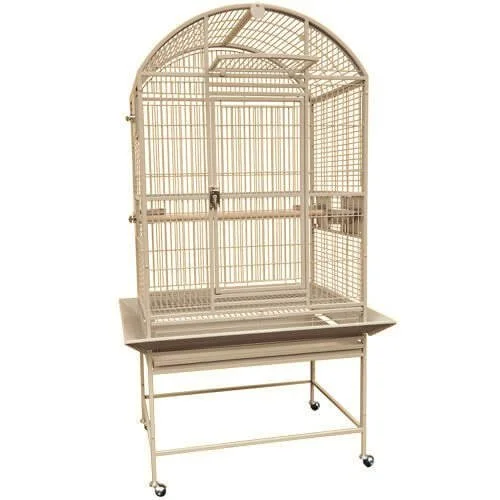
Same cage as before, but a bit smaller and on wheels, a great choice when price is not an issue for a special friend. These are great simple cages that will last a lifetime and look good the entire time. I only have a handful of these here for some of my favorite pairs.
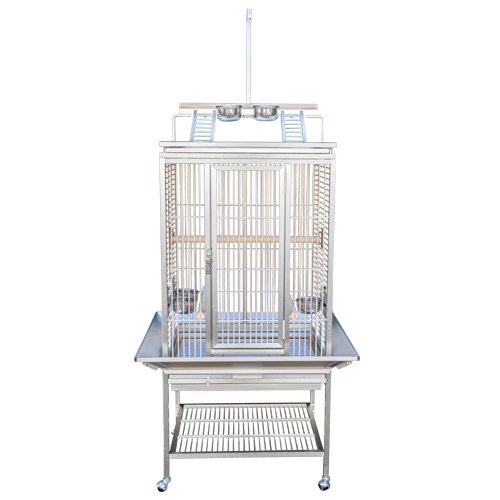
Getting into the mid-tier of possible cages, and away from the ones I recommend. These square cages can come in large sizes but do have issues. Because of their play top the cage itself is a bit short, and the tray of the play top make the inside of the cage quite dark. Good cages like this are also quite expensive, and for the money a better choice can be made. And as for the play top, with the savings of getting a different cage a play stand can be purchased, increasing utility.
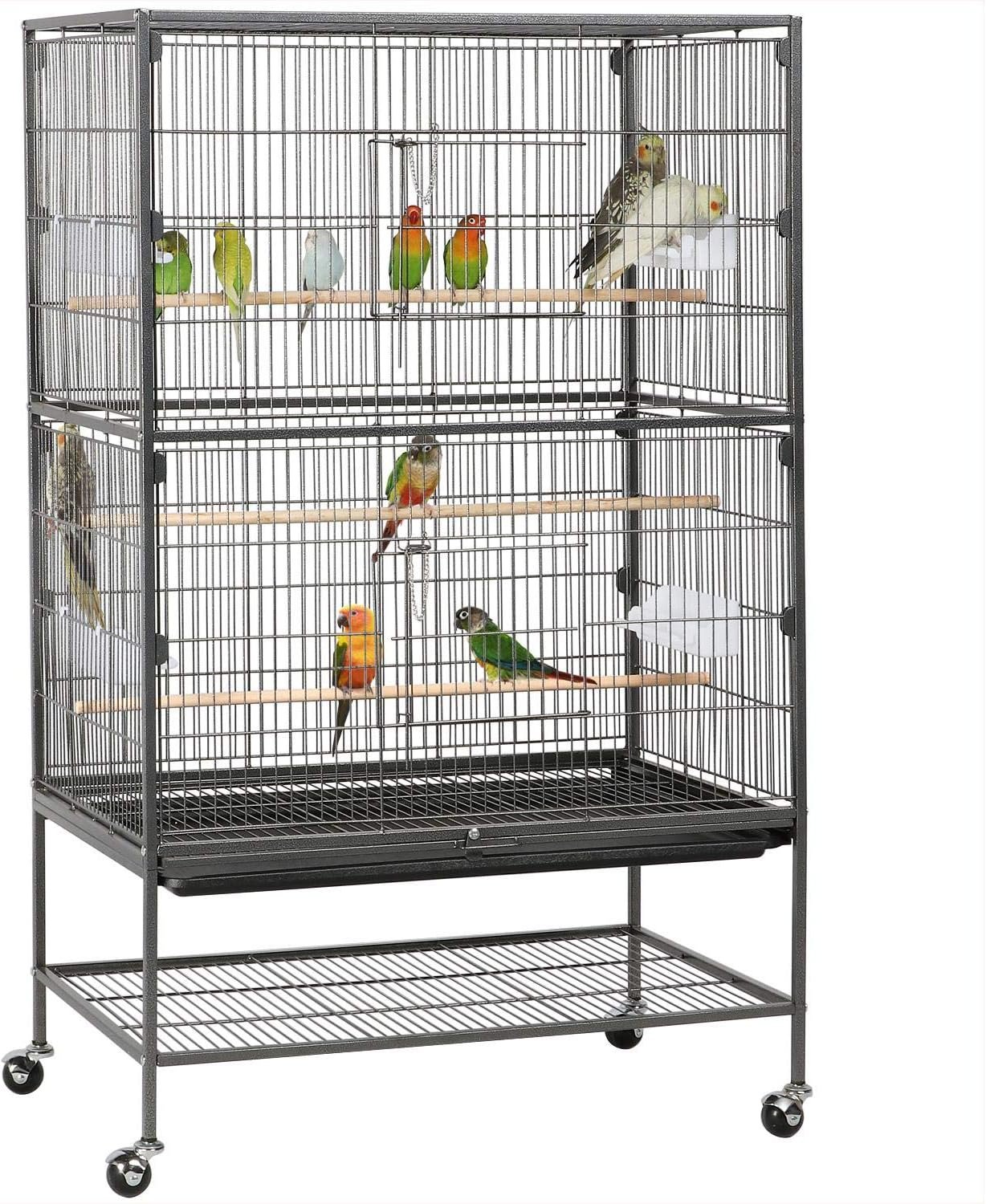
A half decent cage, much like the other one from amazon listed earlier, and at a cheaper price but with some downgrades. The cage is a frame with panel design, basically a metal frame with wire panels that fit in slots or holes in the frame. This makes it difficult to put together, and can come partially apart when moving. The biggest drawback is the door latch design, which is a long metal pin that fits in metal loops on the door. Many cages like this have similar door latches, and frankly they are a pain to use on a daily basis. Another thing to look out for are the photoshopped birds in the picture. These cages can be used, as they are of a good size, but not recommended as they are just too cheaply made.
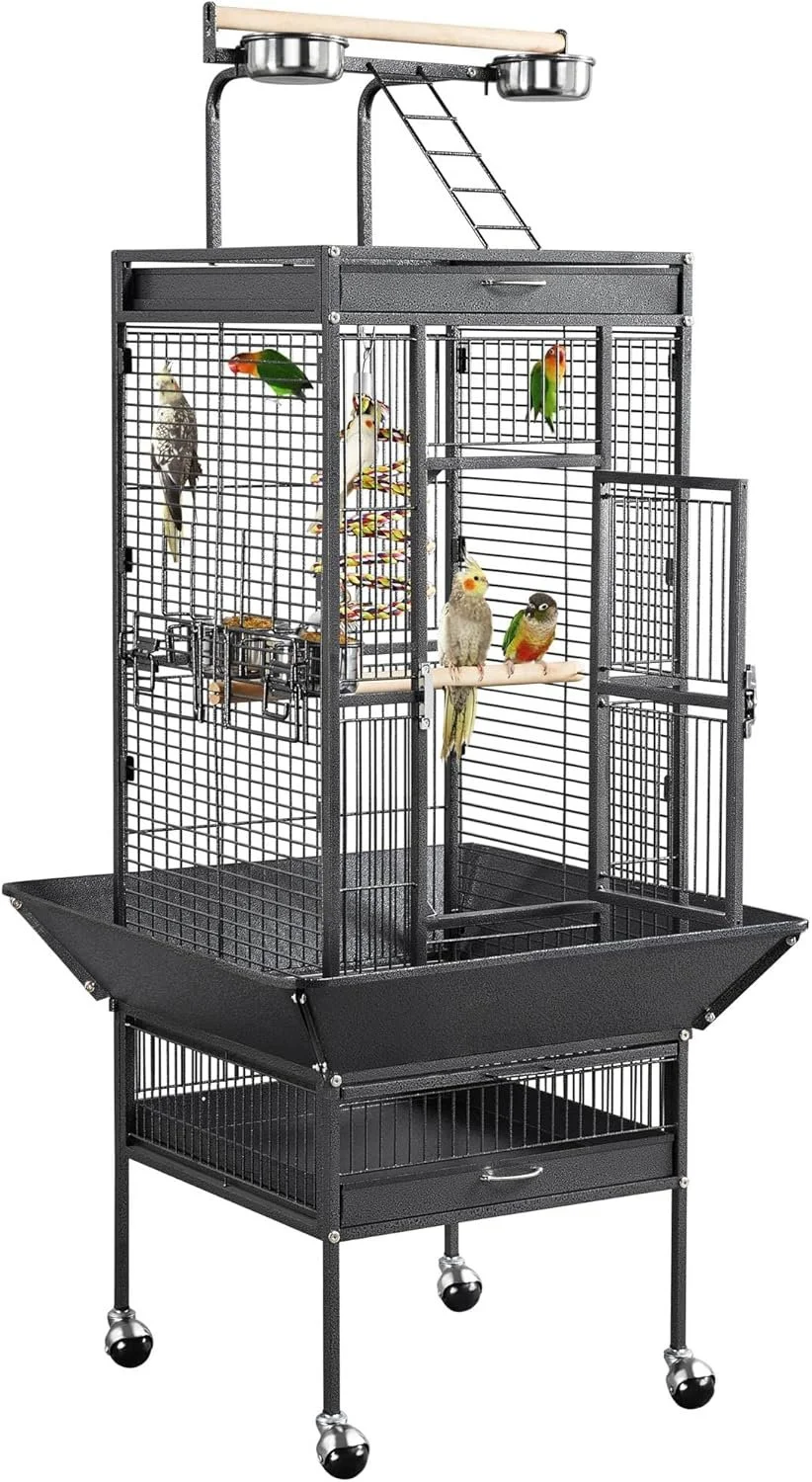
Now getting into the BAD section of cages. This is a popular cage sold in many big box pet stores. While it looks good, it is just too small. Sure, the box says that it is 26 inches deep and wide, but that is with the seed catcher all around the cage. The actual cage itself is only 18 wide by 18 deep, too small to keep any birds healthy and stress free. The play top and black color also make this a very dark cage inside. It is good and sturdy, but quite ugly.
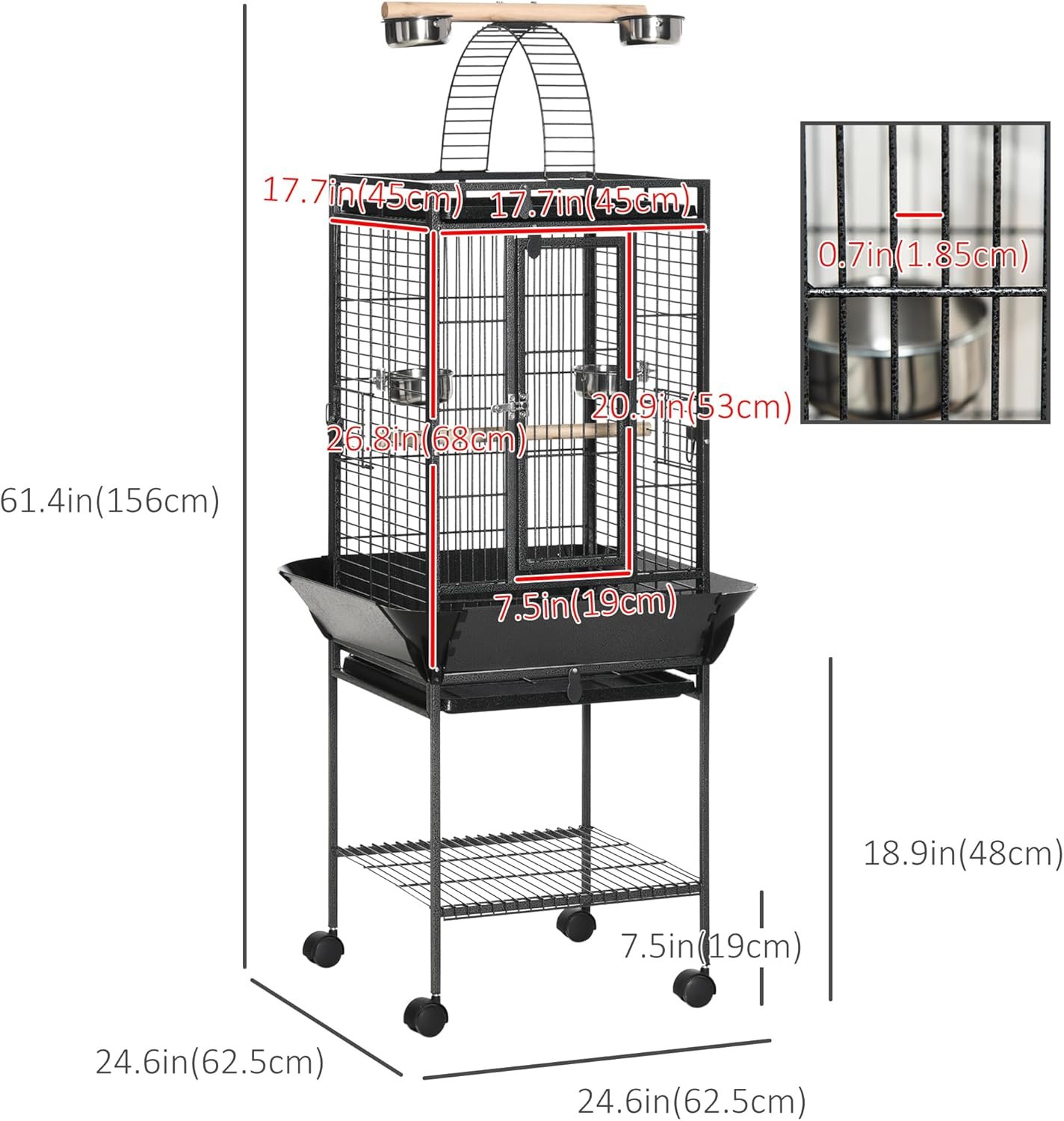
Another example of the dark small square cage, this one from amazon. It shows 24 wide but in reality the cage is less than 17 inches wide inside. This is a tiny tiny cage in reality, just made to look big with the flimsy seed catcher and play top. I have had over a dozen of these cages here in the junk pile out back. Most of them ended up in the landfill as they were in such a condition that they could not be repaired.
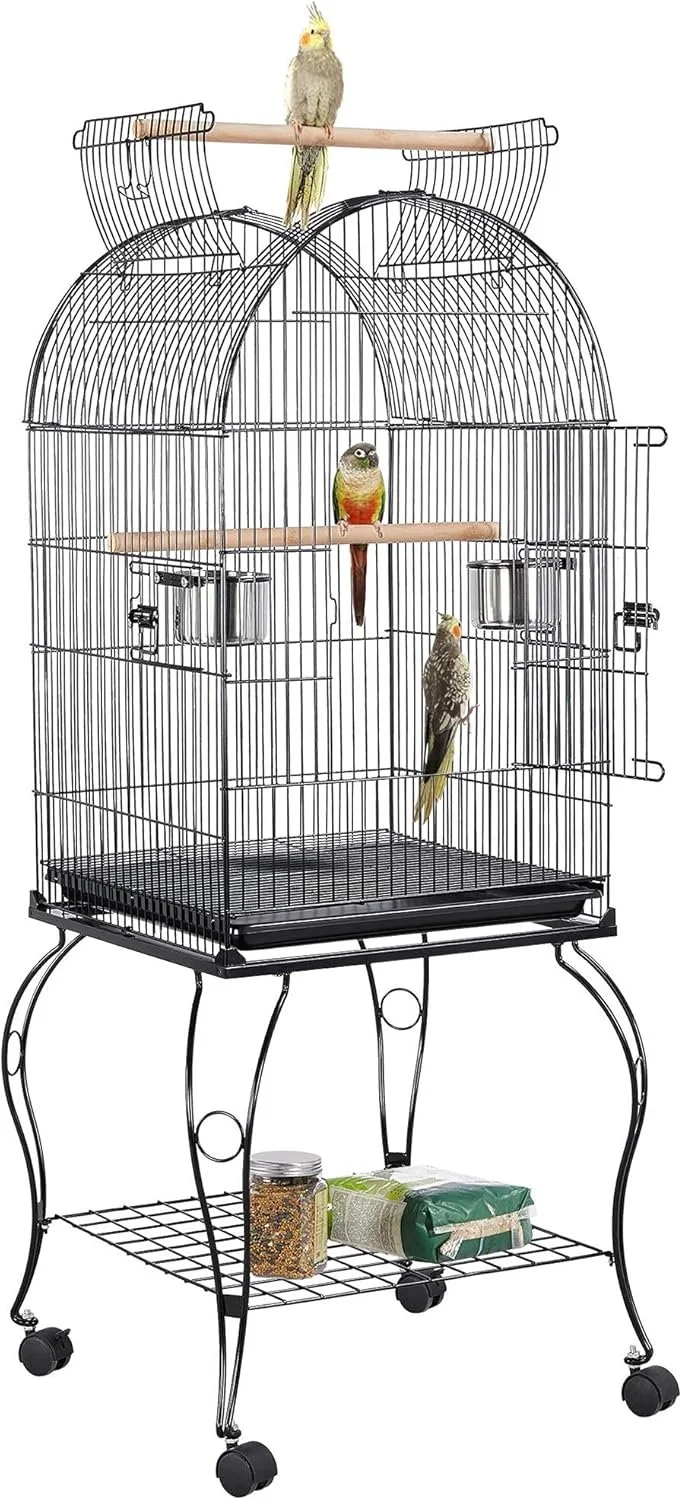
Another example of a cheaper cage, even though it is close to large enough. It looks fancy, but there is no frame to hold it together. I have had quite a few in the junk pile as well, cages that came in with rescues or donations. The wheels fall off, the cage door latch goes missing, legs splay out, and a pain to service.
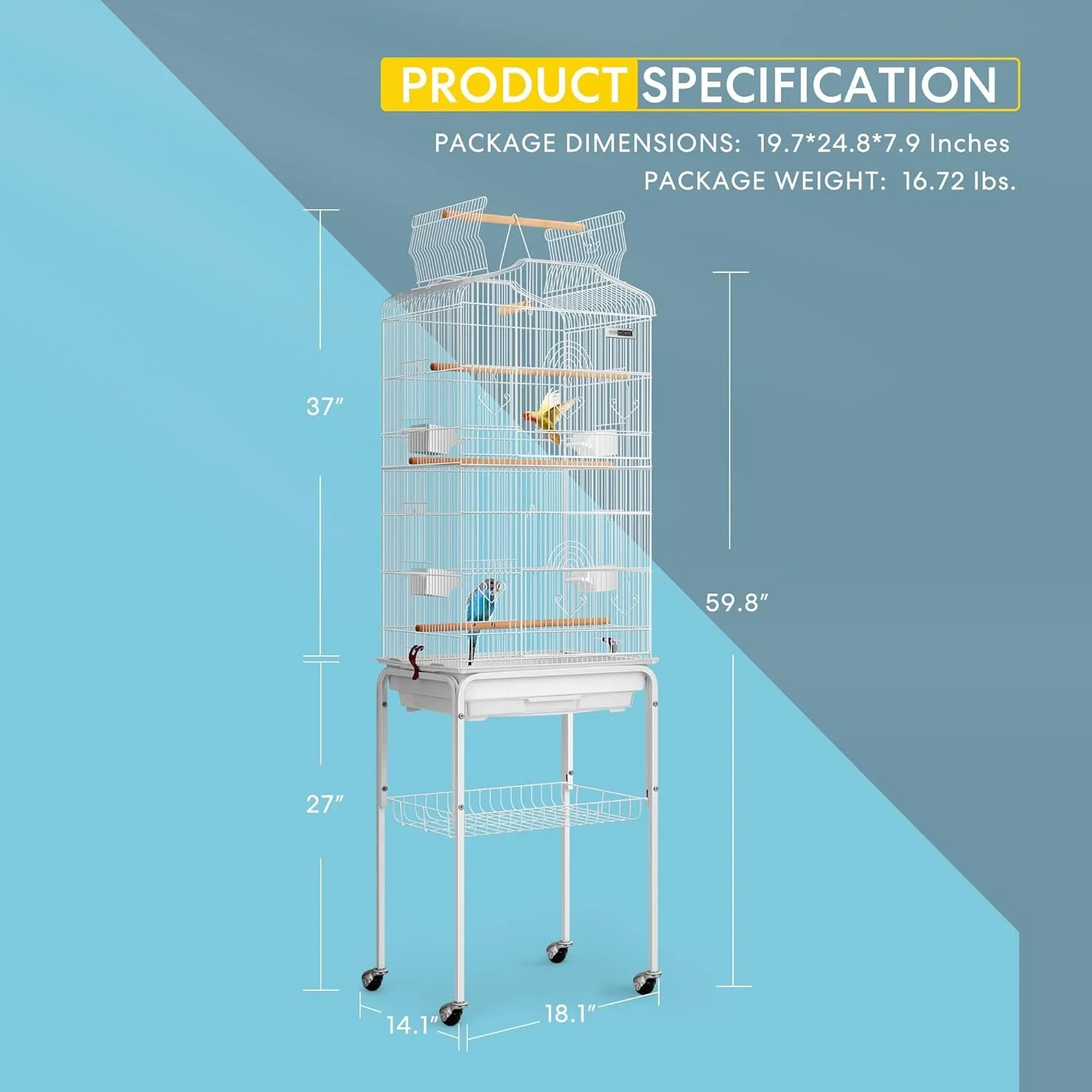
Another cage that I have had to dispose of in the dozens over the years. 18 inches by 14 inches, much too small for anything, but people like it because it is so high and looks to have soo much room! Birds do not care much about height, most will only use the top 1/3rd of the cage no matter its height. Affordable, but flimsy and cheap, this cage is also very prone to tipping over and will fall apart in a year or two.
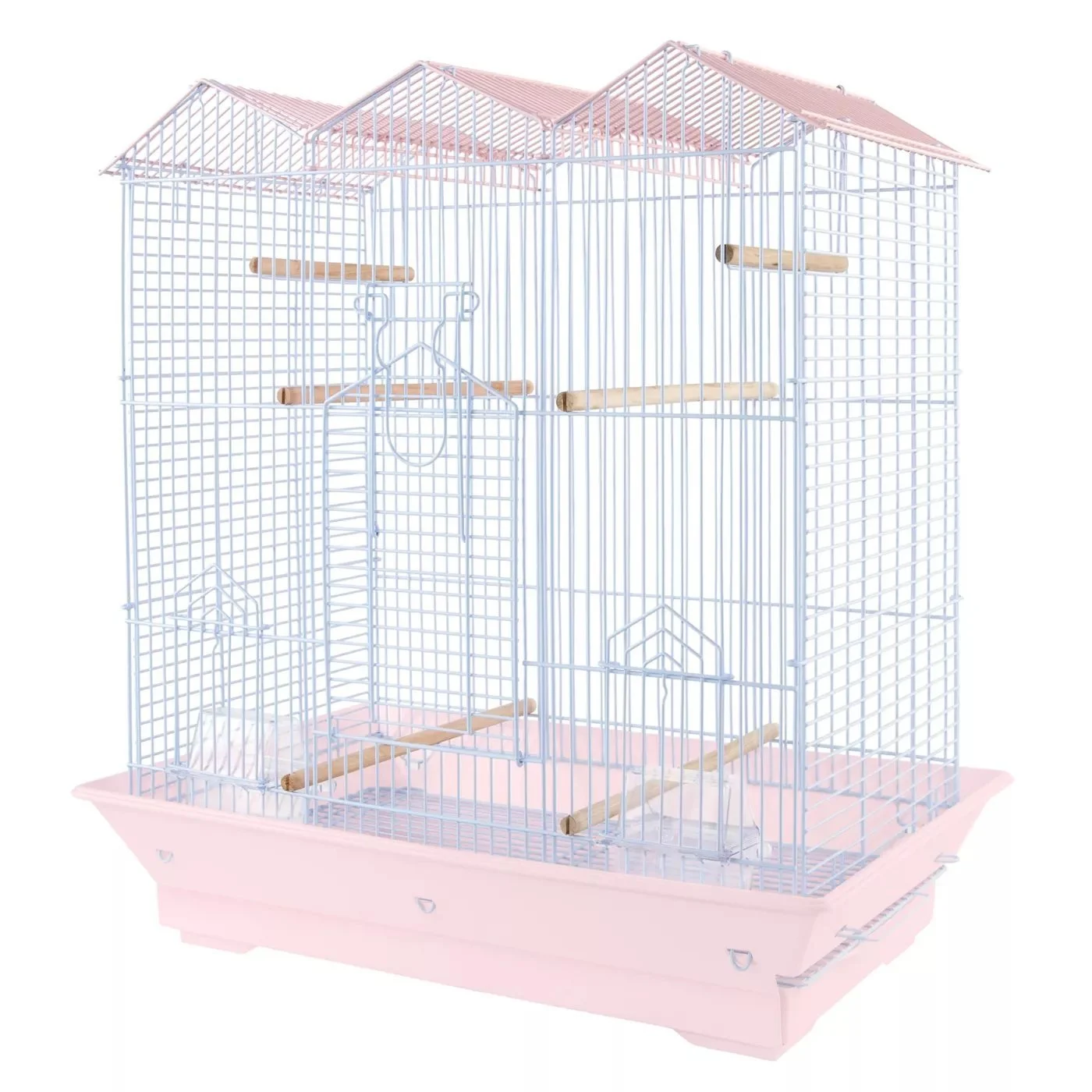
Starting the bad table top cages, and this is one that I have come to hate. I hate it because I have to dispose of so many of them, and they are big and hard to get ride of. Many of these cages are of quite good size, but again they are cheap and you get what you pay for. Very rarely have I ever gotten one of these cages in good condition, they are always falling apart. The cheap hard plastic bottom cracks, the tray is shallow and prone to breaking, and the doors are hard to use.
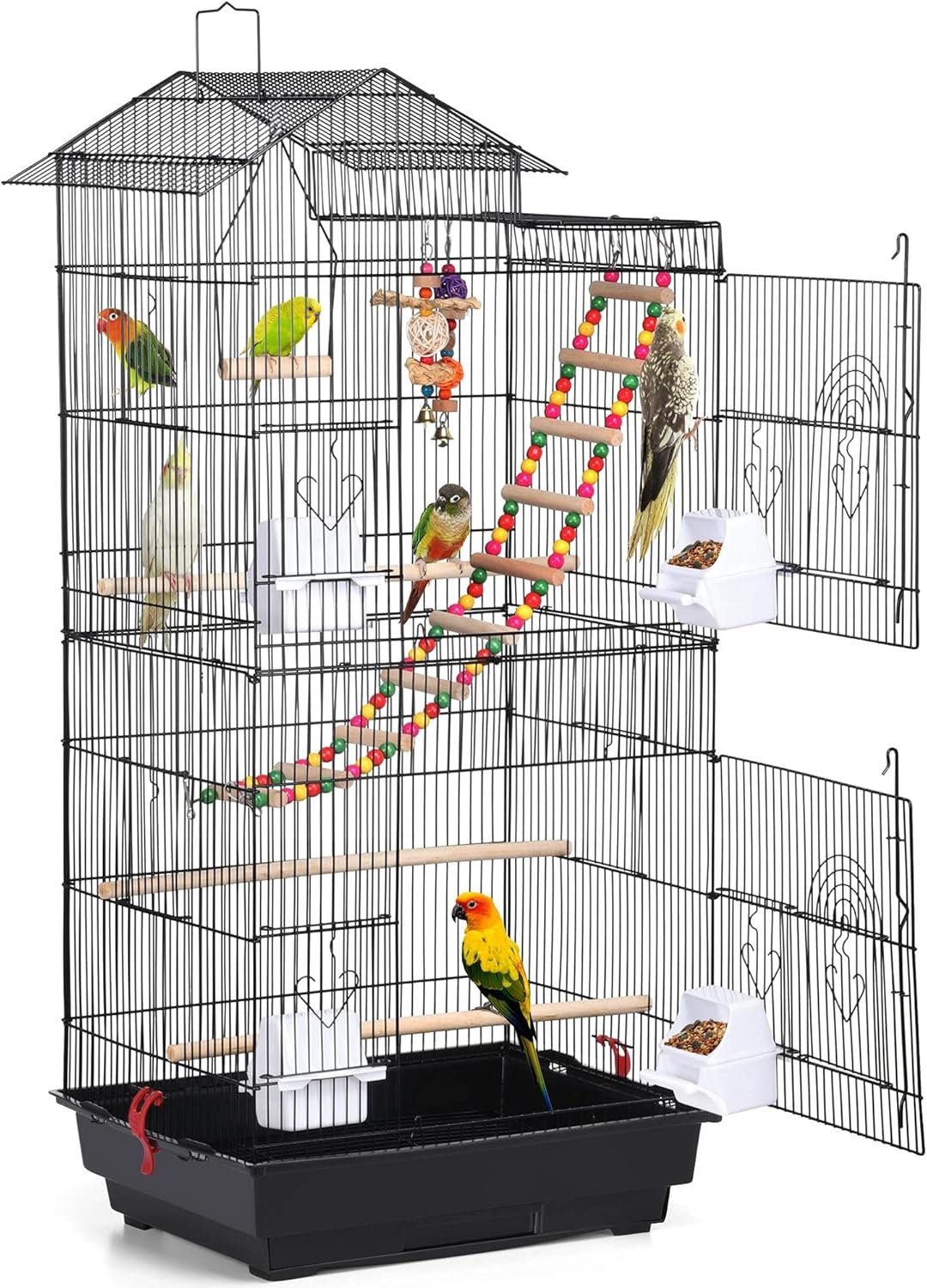
Another common cheap tabletop cage, much too small in length and width and trying to make up for it in height, which is the cheaper option in production. Hard plastic base and tray, with a roof that seems to fall off on its own and difficult door latches. Cage is not even large enough to use proper food and water dishes! At least they are easy to stomp flat and put in the trash.
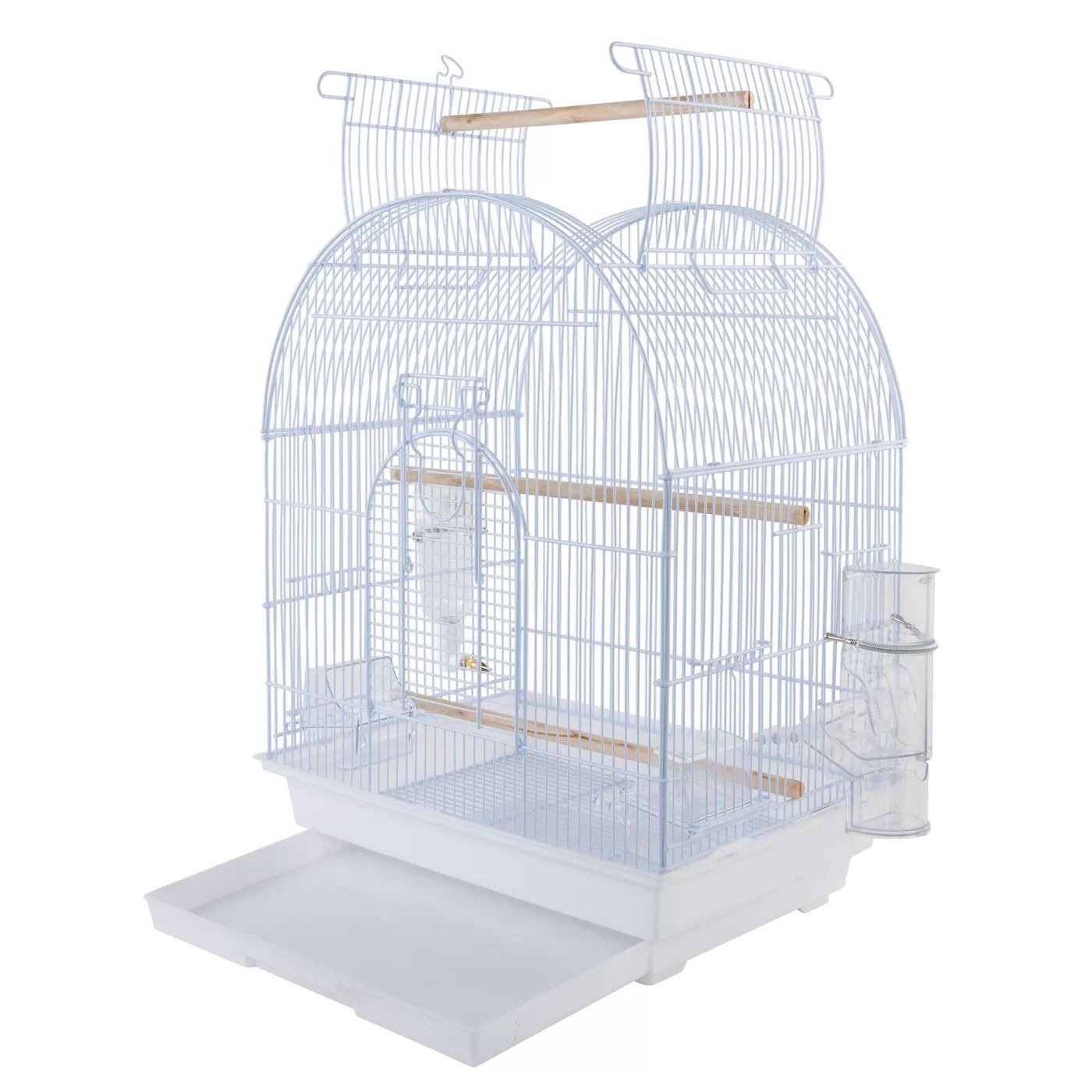
The first in the DANGEROUS category of cages, and I know that many people with disagree with me on some of the cage picks here. This is a common cage that I see quite often. Simply put, while it is very affordable and is sold pretty much at every store, it is just too small to keep any bird healthy. Even with daily out of cage time, the small dimensions of these cages can and will stress out even a single budgie. No room to fly or use proper food and water dishes, no room for toys or enrichments. These cages range in size from 16 inches wide to only 12, and have doors so small that it is hard to get a hand inside.
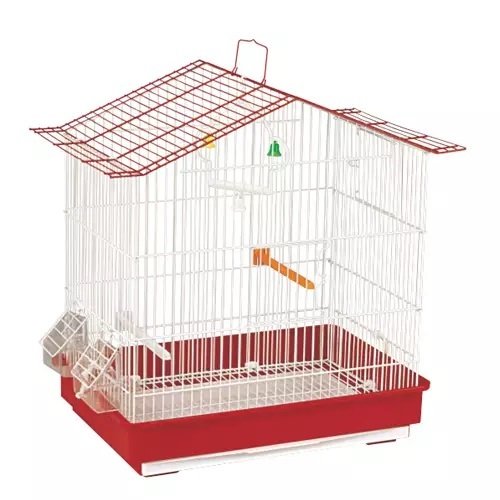
These cages are EVERYWHERE! they hang by the dozens from the ceilings of pet shops, populate yard sales and flea markets. You would not believe how many people have shown up to pick up their birdie here with one of these cages. I ask them if this is a travel cage, and many of them admit that this cage is what they were planning on using permanently. "It's okay!" they say, "They will spend most of the time outside anyways!". I send these people back home without a bird. If you are only willing to spend $25 or $35 on a cage, you will not be getting one of my handfed babies or rescues. These cages are so flimsy and small that a strong breeze will push them off a table, and the gimcrack plastic will be chewed through in a day. Over a hundred of these cages have been stomped flat and thrown into the garbage here, and should only be used as a transport cage when going for a trip. Even then, a cardboard box would be a safer option. Who knows what chemicals are used in the paint and plastic!
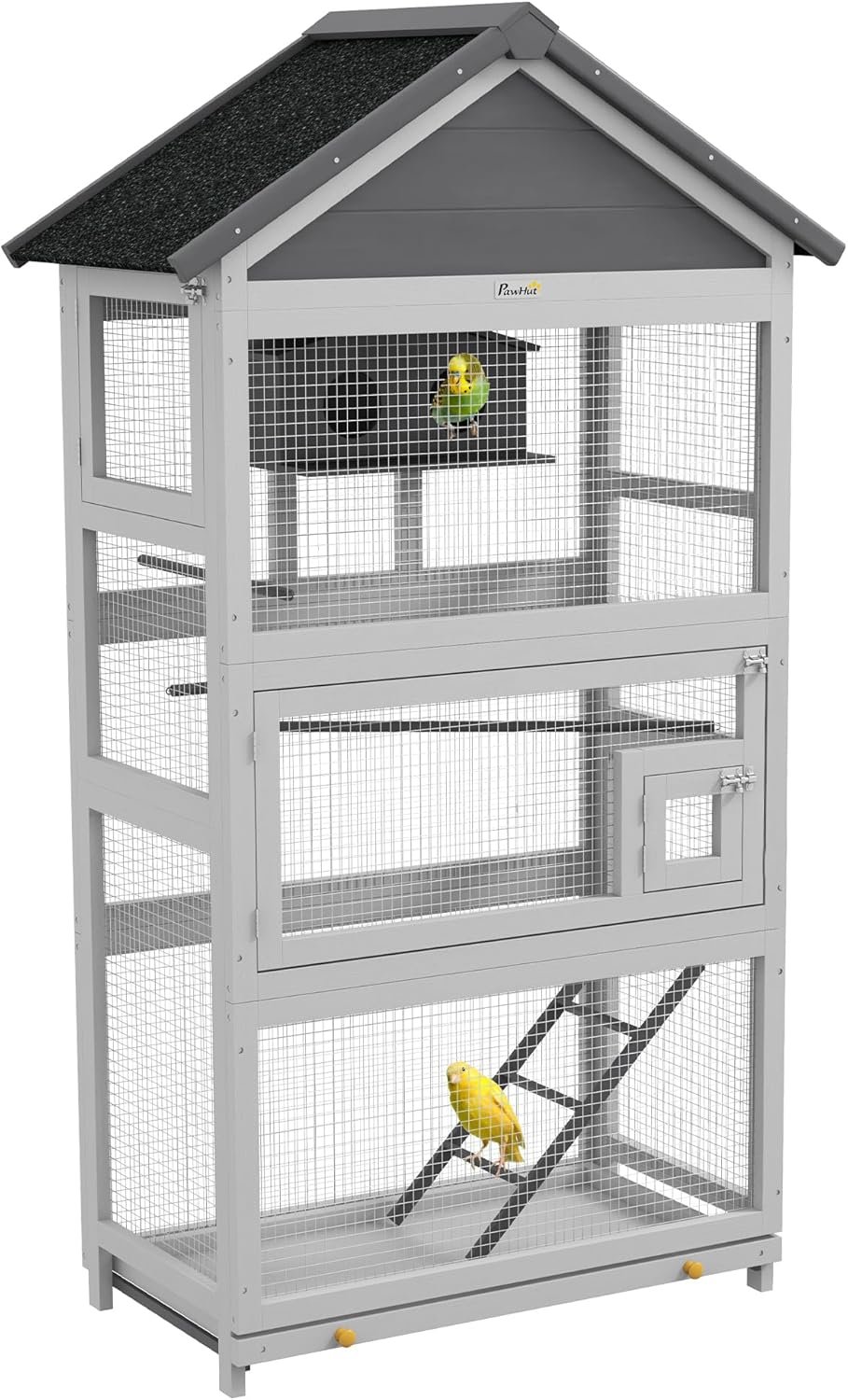
This is going to be a disputable cage for many people, as it covers all home made cages as well as those made for the outdoor bird market. Any cage made of wood is dangerous, indoor or outdoor, but at least those kept outdoors can be emptied and disinfected, hosed off every few weeks. The fact of the matter is that home made cages pose serious risks. Anything made out of wood can and will be chewed, and the wood and paint ingested. Wood gets wet, does not dry quickly, and will harbor and grow germs, mildew, mold and a host of nasties. Mites and other parasites love these cages, as there are so many cracks and crevasses for them to hide in and breed. Galvanized wire mesh is toxic for birds, and while it can be used it must be treated properly before use, or a very expensive stainless steel or similar substitute used.
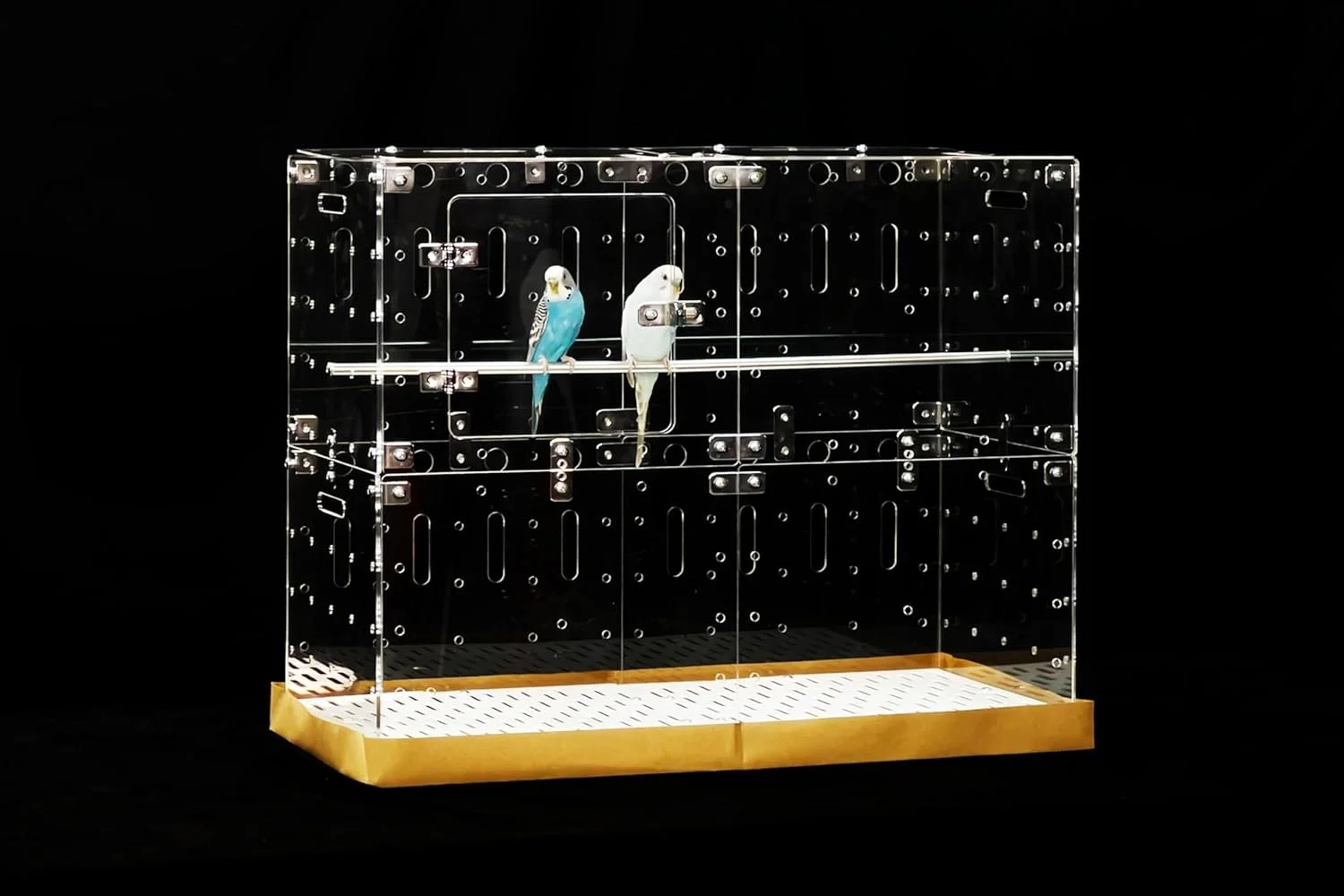
Acrylic cages are becoming more popular these days as well, but they can be quite dangerous. Air flow is a big problem with these cages, and even ones with mesh tops or panels can quickly become much too warm with even the smallest amount of sunlight. Birds love to climb the sides of their cages, which they cannot do in acrylic cages, and they are impossible to keep clean. Unless you are willing to take the cage apart every couple of days to clean, stay away, as you will see every speck of dirt and poop and food sprayed on the walls.
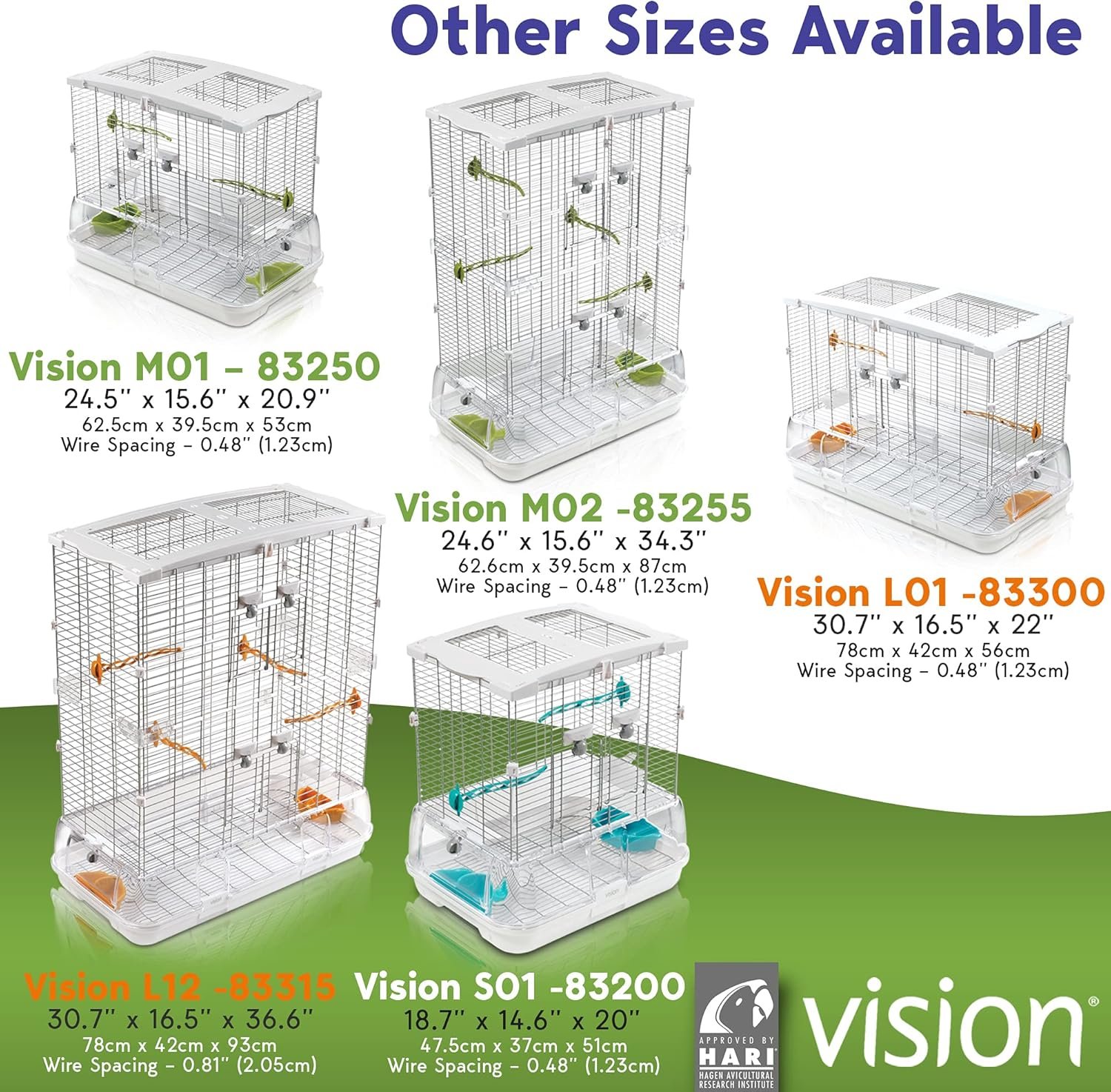
Another very controversial pick for a DANGEROUS cage, as these vision cages seem to have good specks for size, are pretty to look at, are reasonably affordable, and quite popular. What makes them dangerous is their deceptive marketing, the sizes listed are not the actual sizes of the main cage part, but the size of the flared out bottom. These cages are listed as 16+ or 14+ deep, but in reality they are only 14 or even just 12 deep, making them much smaller than the 20 or 18 deep that is needed. So many people get these cages thinking they are doing the right thing size wise, or at least close to it, but they are not. Another huge draw back is the design, which is what makes them look so good. To clean the bottom of the cage you have to LIFT the top part completely off, then set it down somewhere with the birds hopefully still inside. The top can and will detatch, the latching bits breaking off within a few months. The plastic bits holding the cage together in a square shape will break, be chewed away, or just fall off and vanish. The plastic latches holding the bottom on will break after a few months, and the metal grill on the bottom of the cage is so close to the floor that substrate cannot be used, and any bird walking on the bottom will be walking in their own waste. Food and water dishes are useless, as is the little plastic door used to access them, the dishes will spill every time you try to remove or insert them. Good looking cages when new, but not safe for anything other than a finch or canary, and even then just short term
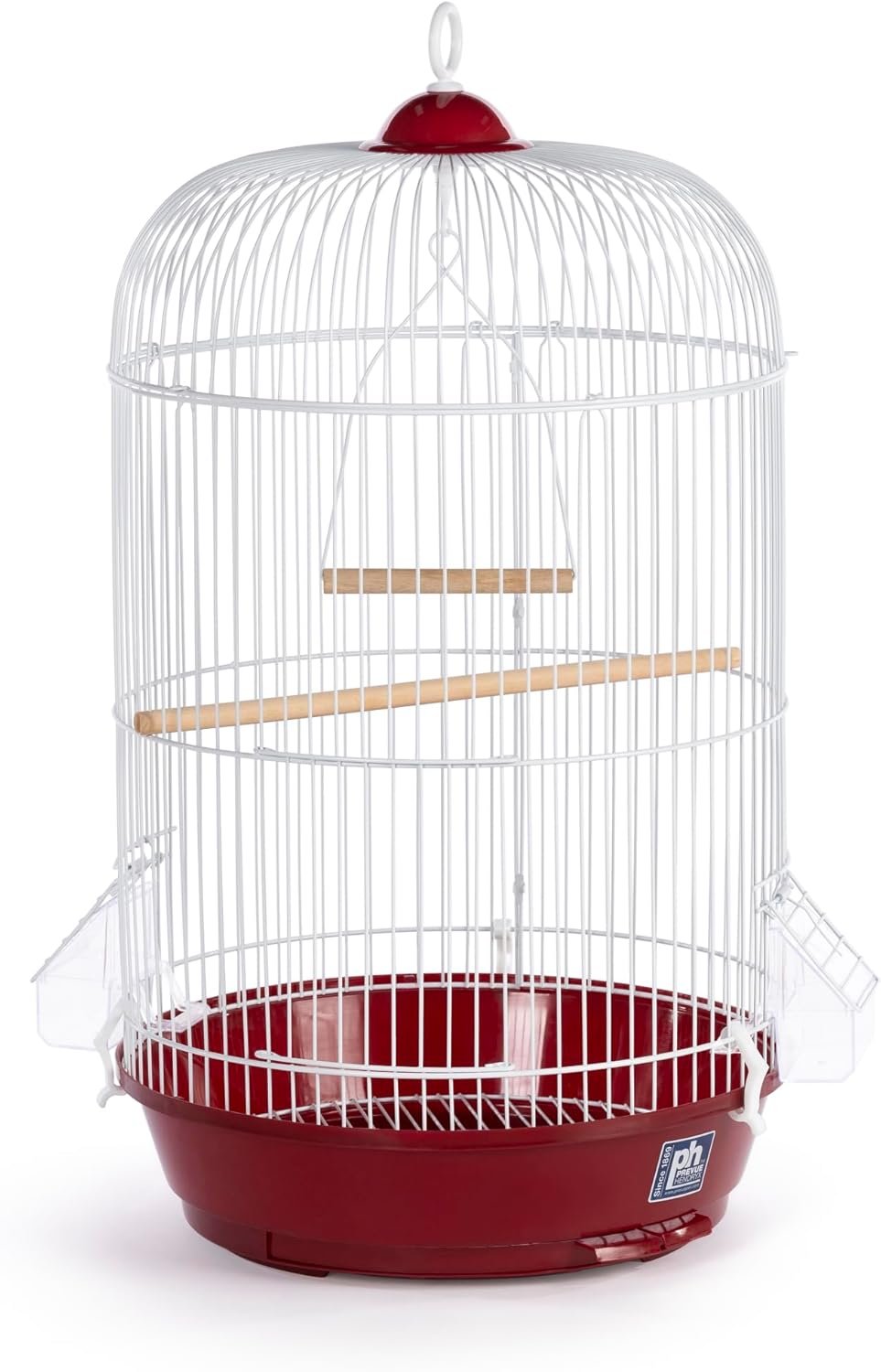
Another cage you see hanging in pet stores, cheap but at least they are easy to flatten and dispose of. The main issue is their shape, birds do not like round cages, they do not do well in round cages, they cannot process the boundaries of round cages, they should not be kept in round cages. a style popular in the past that should stay in the past, best seen only in old Tweety Bird cartoons.
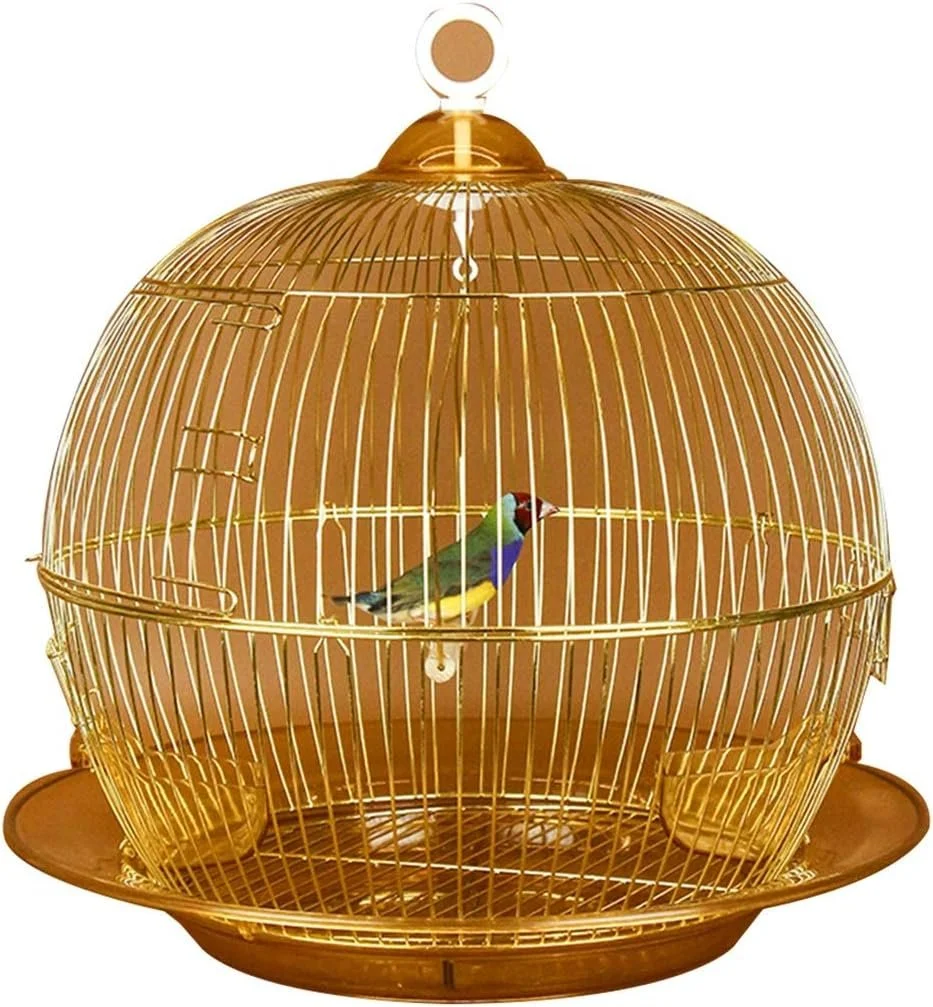
Finally, the worst of the worst, the creme de la crap, the decorative cage! I have actually come across a couple of this exact style before, and they are horrible! They come in a variety of styles and shapes, but no bird can survive long in here. Brass colored bars, fancy ornaments to confuse and trap birds, these monstrosities can usually be found hanging from a ceiling and their only purpose is decoration, with the bird inside only another part of the decoration with no consideration to their health or safety. They are small, dangerous, almost impossible to keep clean or service. Their only use is to house a fake toy or decorative bird, but they are sold as actual bird cages online. Fortunately they are not often found in North America, but when I do come across one I take great pleasure in stomping it flat! I have come across a few, fortunately only a few, at yard sales or flea markets, and if they are only a few bucks to buy I will do so and stomp them flat on the spot